Showing posts with label food. Show all posts

Saturday, April 20, 2013

Have You Kept Your New Year’s Resolution?

Well, we are just over four months into this New Year, and I’d be willing to bet that there are a lot of people out there who have fallen off of the wagon…. In fact, it might be safer to say they’ve left the reservation and possibly even thrown themselves over the cliff. 

When it comes to achieving your diet and weight loss goals, accountability is king! Many well-intentioned dieters have tried to shortchange this process only to realize that failure is looming overhead. Humans are “relational” creatures - we need each other. It’s just that simple. 

Other dieters struggle with discouragement. It’s very common to struggle with peaks and valleys during the weight loss process. Understanding the normal physical patterns that come along with weight loss is essential to successfully attaining weight loss goals. Having someone to coach you through all of the pitfalls will make you more likely to succeed. 

Lastly, tracking everything that you eat is essential. Research shows that people who journal their daily food intake are 50% more likely to get the weight off and keep it off. 

At Matrix Wellness Solutions, we provide intensive support, coaching, and encouragement for each of our clients. If you’d like to get your weight loss train back on the tracks, give us a call so that we can discuss your personalized plan. 

To Your Health, 
Brian Brown


Saturday, April 13, 2013

The Number One Vitamin Deficiency & Why It Could Be Killing You

Vitamin D deficiencies are rampant among patients today. Low Vitamin D levels can lead to depression, anger, irritability, heart disease, blood vessel inflammation, heart attacks, strokes, low thyroid function, osteoporosis, premature bone fractures, a weak immune system, cancer, and adult onset diabetes. 

Let’s just look at one particular example… 

According to a landmark study published in 2006, in the Journal of the National Cancer Institute, higher Vitamin D levels (> 50ng/ml) translated to a 51% reduced incidence of cancer. The same study showed that in order to raise levels from 20ng/ml to 50ng/ml, it would require a dose of approximately 4,500 i.u. per day of Vitamin D. 

Despite numerous other studies proving the health benefits of properly optimizing Vitamin D levels, a government-sponsored press release was published in 2012 with statements that there are no osteoporosis health benefits in supplementing with Calcium or Vitamin D. Within hours, headlines in the Washington Post read, “Task Force Recommends Against Vitamin D, Calcium Supplements”. Many other headlines just like this one echoed around the media globe. 

As the late Paul Harvey would say, “And now, for the rest of the story.” 

According to it’s own guidelines, the Food and Drug Administration (FDA) recommends a daily allowance of Vitamin D at a dose of 600 i.u. per day, yet in the press release above, the government task force only looked at doses of 400 i.u. of Vitamin D and 1,000 mg of Calcium per day. The data was flawed. Every medical professional knows that there are significant osteoporosis health benefits with proper doses of Vitamin D and Calcium. 

This type of misinformation is detrimental to the American public. Sadly, many people will abandon these valuable supplements and suffer because of it. Why would a government-sponsored task force want to publish such data? Why wouldn’t they tell the whole story? 

I’m not a conspiracy theorist, and I can’t even pretend to figure out this maze of dysfunction, but what I do know is this; we have to be proactive in our own healthcare. I would go even further to add, we have to be proactive in our own WELLNESS CARE! I encourage people to read, read, and read some more. Become informed health consumers. Don't just depend on being fed information by your insurance company or healthcare provider. BE PROACTIVE & FIND A HEALTHCARE PROVIDER THAT WILL LISTEN TO YOU AND HELP YOU DEVELOP A PERSONALIZED WELLNESS PLAN. 

Your life may very well depend on it. 

To Your Health, 
Brian Brown

matrix wellness solutions

Saturday, April 6, 2013

Eating Like Jesus: 8 Healthy Foods Of His Time (Part 2)

Continued...


5. Grapes 

Grapes are still one of the most plentiful foods in the Middle East today. They are very high in health promoting anti-oxidant compounds called Saponins & Phytonutrients which have been shown to have heart health benefits of red grapes – decrease bad cholesterol, increase good cholesterol, and decrease triglycerides. Additionally, much like pomegranates, they have been shown to protect against the damaging effects of the breakdown of bad cholesterol. 

6. Vinegar 

The health benefits of vinegar have been known for quite some time. It seems to decrease the rate of absorption of carbohydrates in the diet, which, in turn, improves blood sugar control 

7. Figs 

Figs are high in potassium, which is essential for proper electrical activity in the heart. It’s also been shown to help support normal blood pressure. Because of its high dietary fiber content, it definitely helps maintain proper intestinal health and may also have benefits in weight management 

8. Lamb 

This is obviously a protein of the red meat variety. It’s unclear as to how much lamb was consumed in the Middle Eastern diet, but there are examples in Biblical texts that it was consumed regularly on special occasions. 

As a red meat, it does have the saturated fat that we need to minimize exposure to; however, at thirty-six percent, it has one of the lowest concentrations of saturated fat than the other red meats. The rest of the fat is mono-unsaturated & poly-unsaturated which is the desired type of fat that has known health benefits. 

Another benefit of lamb is that it is higher in Vitamin B3, Vitamin B12, Selenium, Zinc, Phosphorous, and Iron than a lot of other higher fat red meats. 

I know some of you may be wondering about bread, so here’s a special note about bread: Bread during Biblical times was quite different that the bread we consume today. In fact, if a person from 2000 years ago were to eat our bread, they would barely recognize it. 

In the times of our forefathers, there were only three varieties of wheat. Today, there are over 22,000 varieties of genetically modified wheat. In Biblical times, grains generally were sprouted prior to be baked or used for food. This sprouting process makes the digestion of grains much easier. Additionally, the mechanical processing of grain today makes the grain particles about 10,000 times smaller than the particle sizes back then. As a result of this smaller size, the exposure to grain is increased which makes blood sugar more likely to elevate. 

As a general rule of health, I recommend staying away from grains during any type of weight loss regimen. Once the weight is lost, a sprouted grain bread by the brand name “Ezekiel Bread” can be used in moderation; however, I’m still cautious with this type of bread as well. If you notice increase in carbohydrate cravings after the consumption of Ezekiel Bread, then you should avoid it. 

To Your Health,
Brian Brown


Thursday, April 4, 2013

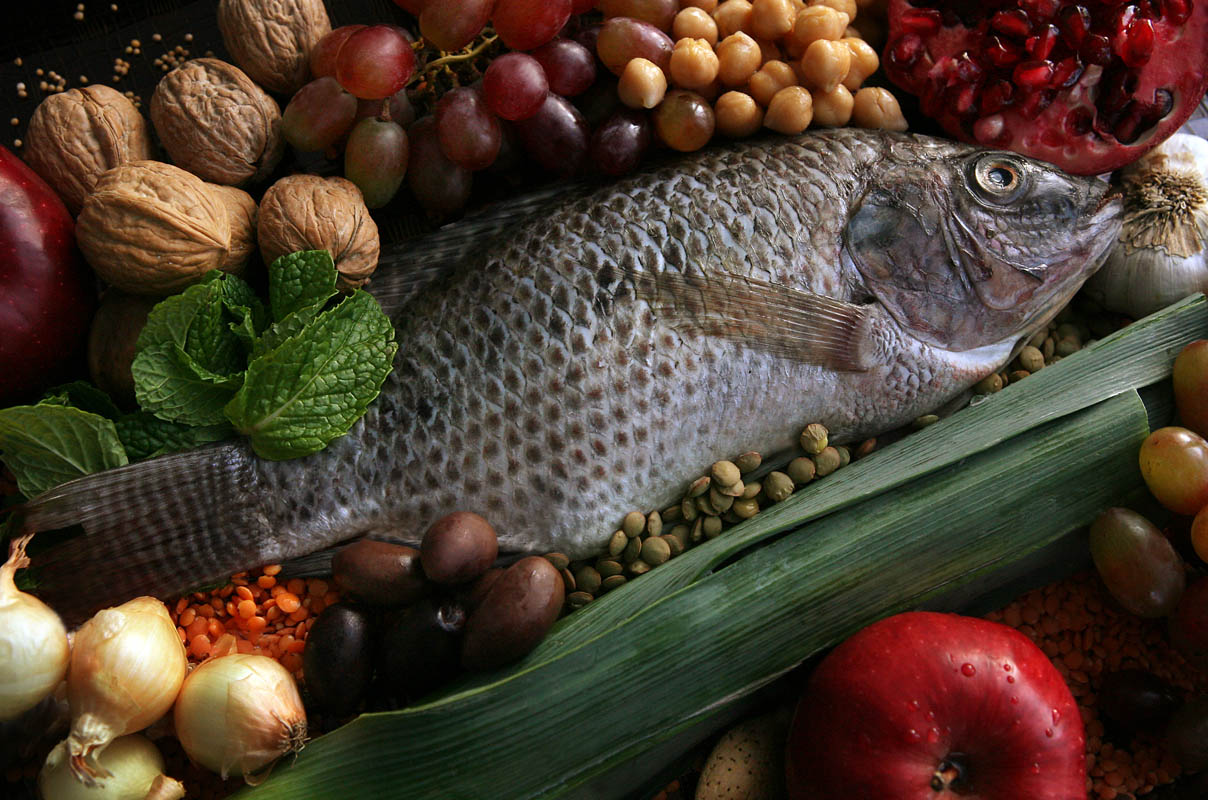
Eating Like Jesus: 8 Healthy Foods Of His Time (Part 1)

Coming on the heels of Easter, I thought it would be appropriate to talk about foods that Jesus may have eaten and the potential health benefits of these foods. In todays installment, we will talk about the first four foods and then cover the next four foods in the next segment. 

Although there are only a very few examples of what Jesus actually ate, we can make some generalizations based on archeological findings and also by looking at today’s consumption of traditional foods in the Middle East. In many areas of the Middle East, people still eat the same foods that were eaten thousands of years ago. 

1. Pomegranates 

These are high in a very potent anti-oxidant called “Peroxidase” (per-ox-ee-day-ce). The health benefits of this enzyme are amazing. It protects your body from the effects of the break-down of cholesterol. Experts believe that regular consumption of this fruit can have major health benefits to the heart, breast health, prostate health, and skin health. This is why pomegranates are called “super fruits”. Additionally, a single pomegranate contains 50% of your daily allowance of fiber and Vitamin C. 

2. Fish 

There are several examples of this important staple in the diet of the people during Jesus’ day, and there are even more examples of the occupation of fishing in the Bible as well. The health benefits of fish are well known. The high content of Omega 3 Fatty Acids make them the ideal food for good heart health. Fatty fish that have been shown to have health benefits are Herring, Mackerel, Sardines, Lake Trout, & Salmon 

3. Honey 

Honey has long been recognized for its anti-microbial benefits for healing cuts and other wounds. Even more recent research has shown that the phytonutrients in honey may have cancer-fighting ability. Other researchers also believe that honey can promote healthy balance of cholesterol & blood sugar as well as promote healthy digestive tract health. 

4. Olive Oil & Olives 

Since the times of ancient Egypt, olives and olive oil have been a traditional staple food. Olives are exceptionally high in fiber and are known to promote heart health by helping maintain healthy cholesterol levels and controlling inflammation. This inflammatory effect reaches further than the blood vessels; most people notice improved joint mobility and decrease of pain while using olive oil. Lastly, it has shown benefits of promoting healthy blood sugar levels as well. 

Part 2 Is Coming Later This Week…….. Stay Tuned 

To Your Health, 
Brian Brown


Friday, March 22, 2013

Momma Taught Me To Clean My Plate…Part 2

In my last installment, we talked about the problem of being driven to overeating by our subconscious.

So what do we do about it? Here are some techniques that you can use to help overcome this problem. I want you to try this for the next week and see how much of a difference it makes.


  • Write down everything you put in your mouth… even if it’s a piece of gum; keep a daily record. Research shows that people who do this one thing are most likely to lose weight and keep it off.
  • When you eat, concentrate on chewing more slowly.
  • Don't eat in front of the T.V. or while listening to music.
  • Prepare your plate of food and put the rest away, so that there’s no temptation to go back for seconds.
  • After you eat a meal, ask yourself these questions (for POSITIVE REACTIONS):
    • Feel full and content?
    • No sweet cravings?
    • Not hungry at all?
    • No need for a snack?
    • Feel recharged?
    • Energy is even (not high or low)?
    • No “crashing” feelings?
    • Feel uplifted?
    • Mind is clear and not foggy?
    • Can easily put words and thoughts together?
  • After you eat a meal, ask yourself these questions (for NEGATIVE REACTIONS):
    • Physically full, BUT still hungry?
    • Desire something sweet?
    • Already hungry?
    • Need a snack?
    • Energy has not improved at all?
    • Feel wired, but tired underneath?
    • Crashed and burned; need a nap?
    • Feel anxious and/or irritable?
    • Brain is foggy?
    • Gut feel heavy?
Here are some quick rules for interpreting these NEGATIVE reactions:

  • Excess Fat and/or Protein will result in the following:
    • Physically full, BUT still hungry?
    • Desire something sweet?
    • Energy has not improved at all?
    • Gut feel heavy?
  • Insufficient calories and/or excess carbohydrates will result in the following:
    • Already hungry?
    •  Need a snack?
  • Excess Carbohydrates will result in the following:
    • Feel wired, but tired underneath?
    • Crashed and burned; need a nap?
    • Feel anxious and/or irritable?
    • Brain is foggy?
These techniques may seem a little crazy at first, but as you get used to them, you will begin to develop more self-awareness. In the long run, you’ll be more in tune with your body and your body’s response to foods, and this will lead to A BETTER YOU!

To Your Health,

Brian Brown

Monday, February 11, 2013

Fresh Manna Mondays

Introducing "Fresh Manna" a weekly devotion by David Hughes, APRN-BC. 

Daniel 1:8-16

When I pondered on the HCG diet and the commitment and resolve it takes to achieve diet and lifestyle change goals, I immediately thought of a great story in the Book of Daniel of the Old Testament. 

The Book of Daniel is a great story about a young man, Daniel, who chose not to eat certain foods because of his realization and conviction that the higher calorie, higher fat content of the “palace foods” were not the choices that were BEST for him at the time of his palace training. This decision, like our own decisions to improve our lifestyle through better eating and lifestyle change was met with some resistance. In fact, the king’s trainer feared for his own life that Daniel would become sick from eating a diet of vegetables and water, and that he, in turn, would be beheaded. 

So, as you can see,” Diet” was a hot topic, even 5,000 years ago. As with anything in life that is worth doing, it starts with an inner resolve and a desire to make the right choices. Our food choices today are actually dictating our tomorrow in so many ways beyond just our weight. As a Nation, we are the most obese in the world, and here in Tennessee, we live in the center of the “Heart Attack and Stroke Belt” of the U.S. It doesn’t have to remain that way. We can be driven by the culture, or we can be driven to change the culture. 

If you don’t happen to know the end of Daniel’s story, he made the right choices with the vegetables and water. He was healthier, more mentally sharp, stronger, and more fit than his peers who ate and trained on the palace foods. The King was so impressed that Daniel’s Diet became “THE DIET” for the training recruits. Daniel became an agent of change in his God-given circle of influence. I personally feel that Matrix Wellness Solutions is called to this endeavor. Please join us in changing our corner of the world.

David B. Hughes, Nurse Practitioner and Co-Owner


Monday, February 4, 2013

Harmful Bacteria Linked To Obesity

Here’s an excerpt from a recent article that I read:

So how might bacteria in the gut affect your weight? Research suggests that organisms in our intestines have a significant impact on how fats in our food are metabolized, absorbed and stored. The first data to suggest a connection between the health of the gut and the risk of obesity was published in 2004, and since then more than 100 articles have been published trying to elucidate the mechanism behind this. 

An imbalance of harmful bacteria in the gut can secrete substances known as endotoxins that can incite inflammation and contribute to changes in hormones that subsequently lead to weight gain. In a recent study in China, scientists identified an obesity-linked bacteria known as Enterobacter from a morbidly obese adult male; when that bacterium was eliminated from his gut, he lost nearly 30 percent of his body weight. The researchers then fed this same Enterobacter to a group of mice; they developed obesity and insulin resistance from this exposure. (K. Judge & M. Barish-Wreden; The Sacramento Bee - Mclatchy-Tribune News Service; Sacramento, Calif.; 2012)

Symptoms of enterobacter infections are serious and most always lead to hospitalization and sometimes fatality. Although it’s unlikely that you will ever have these serious bacteria in your gut, it’s important to note how fragile our gut is. We have to take care of our gut in order to maintain healthy nutrition balance.

Knowing the things that can lead to a build-up of harmful bacteria can help us avoid pitfalls later on. Here are some of the things that can affect that build-up:
Foods we eat
Use of antibiotics
Chronic ingestion of acid-reducing medications 
Stress

It may be hard to believe, but the bacteria in your gut can change in as little as a day. So how do we keep our gut healthy?
Avoid processed grains 
Avoid sugars
Switch to whole, unprocessed grains 
Incorporate more fermented foods like yogurt